Fisherman Julio leaves his idyllic island province to search for his girlfriend Ligaya in Manila, where she allegedly has a job. In order to survive, he is forced to endure relentless exploitation while struggling to make a living in the city. Eventually pushed to the brink, Julio becomes a sex worker, only to discover that his girlfriend is likewise trapped in a cycle of sexual exploitation. The two attempt to escape the dark grip of the metropolis, but are already heading toward an irreversible fate.
Regarded as the greatest film in Philippine cinema, this landmark work marks the international breakthrough of master filmmaker Lino Brocka. Adapted from the novel of the same name by Edgardo M. Reyes, the film was produced and shot by fellow Filipino auteur Mike De Leon. Set against the social realities of 1970s Manila, the film unfolds as a searing social allegory beneath the surface of a love tragedy, meticulously depicting the latent class structures and power relations embedded within a developing society. This film signifies Brocka’s pivotal shift from commercial melodrama toward a more profound and humanistic cinematic practice. This newly restored version was selected for the Cannes Classics section in 2013.
 |  |  |
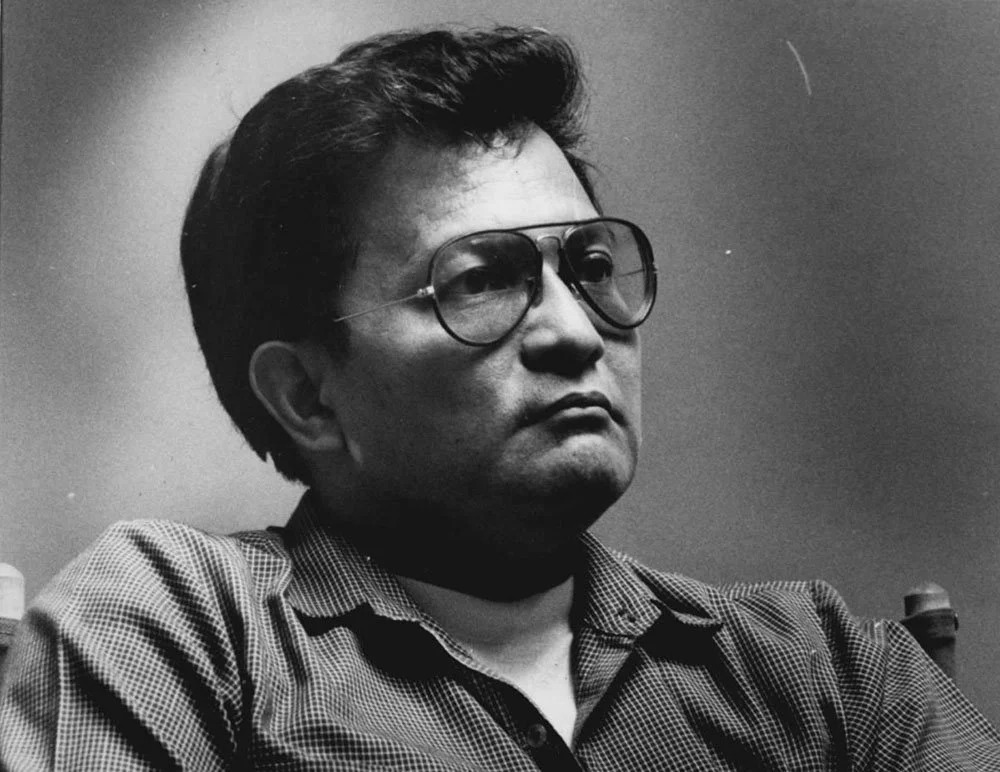 | Lino Brocka Filipino independent cinema pioneer and one of the most influential directors in film history. Over a career spanning two decades, he created more than sixty works, distinguished by a forceful realist style that unflinchingly depicts the darker sides of society, combining critical intensity with humanistic concern. He began his directing career in 1970 with Wanted: Perfect Mother. After starting out in commercial filmmaking, he later shifted toward more personal and independent creative work. In 1974, he co-founded a production company with Mike de Leon and went on to make the internationally acclaimed Manila in the Claws of Light (1975), widely regarded as the most important film in Philippine cinema history. This was followed by Insiang (1976), the first Filipino film selected for the Cannes Film Festival. Jaguar (1979) and Bona (1980) were subsequently included in the Cannes main competition and Directors’ Fortnight, respectively. Despite the constraints of the Marcos regime and the commercial film system, he continued to work consistently. In 1983, he founded the “Concerned Artists of the Philippines,” advocating for artistic practice that responds to social realities. He passed away in 1991 in a car accident. In 1997, he was posthumously awarded the title of National Artist of the Philippines in recognition of his profound contribution to Philippine cinema and culture. | |