Dadong, a retired police officer, learns that his only daughter, Mila, is pregnant and about to get married. Faced with the young couple’s insistence, the authoritarian father agrees to the marriage, on condition that his future son-in-law pays a ridiculously high dowry. This marks the start of a series of demands from Dadong, who is determined to assert his patriarchal authority at any cost…
Adapted from a true crime reportage by Filipino writer and journalist Nick Joaquin, the film meticulously builds an increasingly suffocating atmosphere around its characters, exposing the terrifying face of patriarchy at its most pathological. It stands as one of Mike De Leon’s most unsettling works. In 1982, the film was selected for the Cannes Directors’ Fortnight, alongside De Leon’s other masterpiece Batch ‘81, making him one of the very few filmmakers to have two films featured in the competition in the same year. This year marks the 45th anniversary of the film.
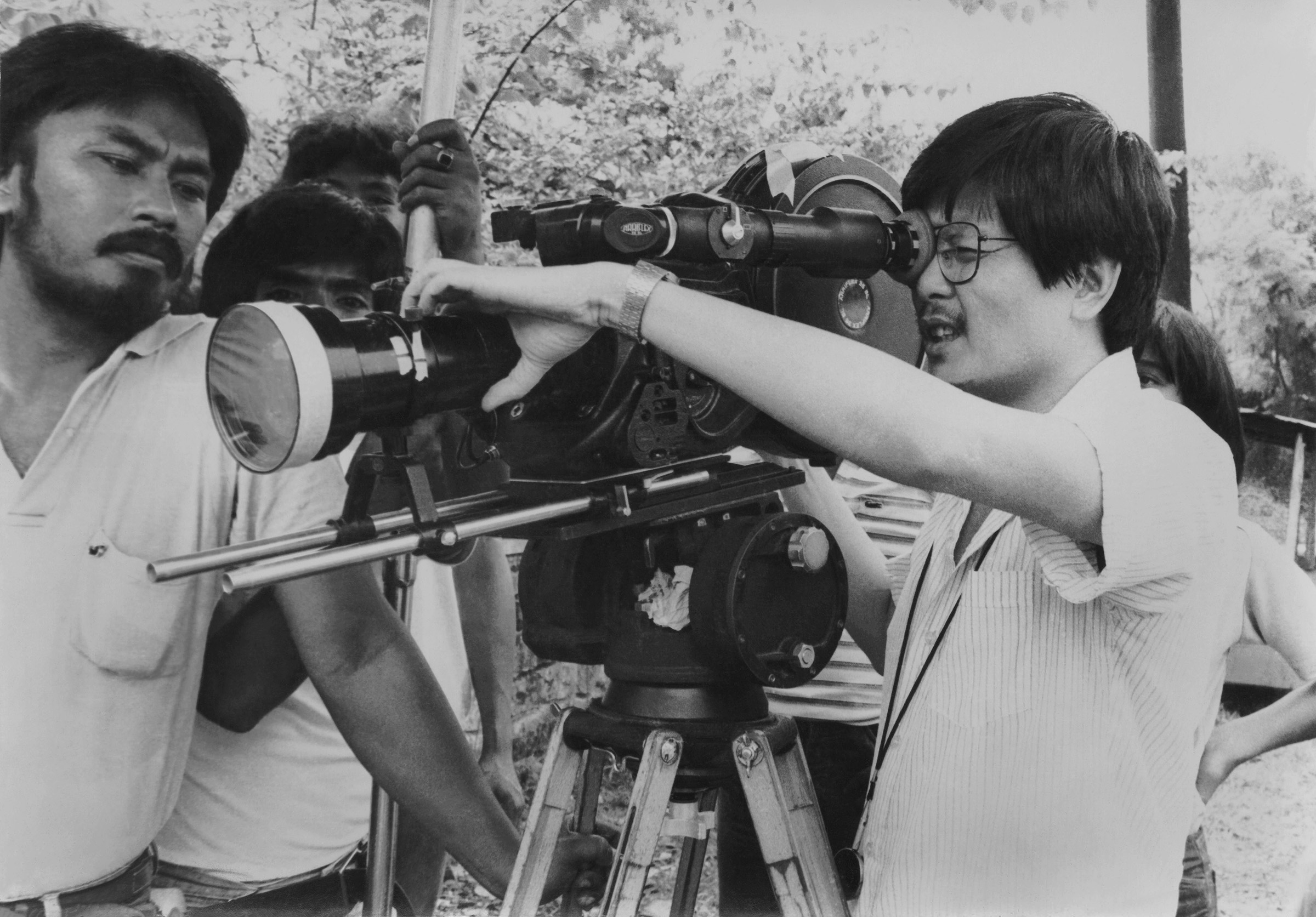 | Mike de Leon Filipino film director, cinematographer, screenwriter, and producer. Born into a prominent film family, his grandmother Narcisa de León founded the legendary studio LVN Pictures, allowing him to witness the rise and transformation of Philippine cinema from an early age. His interest in filmmaking began during his master’s studies in Art History in Germany. In his mid-20s, he went on to make two short films. In 1975, he co-founded Cinema Artists with Lino Brocka, serving as producer and cinematographer on Brocka’s Manila in the Claws of Light, where his visual style first began to emerge. A year later, he made his directorial debut with The Rites of May (1976), establishing his signature approach, known for psychological suspense and themes of guilt, as well as his meticulous control of atmosphere and character portrayal. His subsequent works, including Will Your Heart Beat Faster? (1980), In the Wink of an Eye (1981), Batch ’81 (1982), and Sister Stella L. (1984), employ diverse stylistic approaches to examine class conflict, power structures, and violence, earning him recognition as a major figure in Philippine cinema and frequent acclaim at international film festivals. In 1999, he received the Centennial Award for the Arts and Culture from the Cultural Center of the Philippines. In 2025, de Leon passed away at the age of 78. | |